Posted on Leave a comment

💗 The Full Circle of Care: Love That Lives On

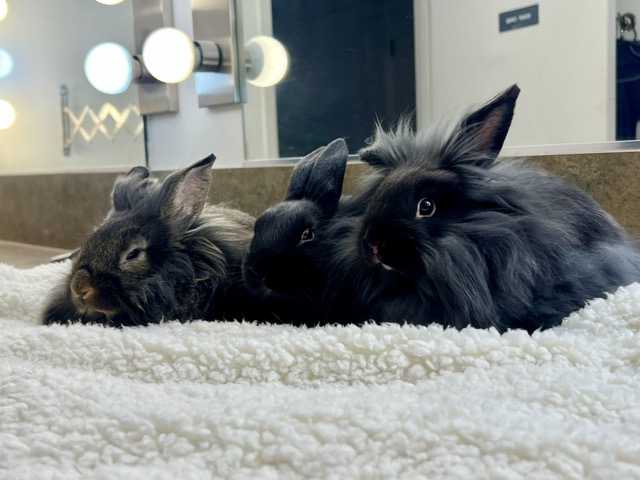
In the last couple weeks, the wider rabbit-loving community has felt the ache of loss. Beloved companions like Lennon the Bunny, who educated and inspired thousands about proper rabbit care, and sweet souls like Miffy and Mikka, whose gentle presence touched hearts across screens, have made their final transitions 💔. Though many of us never met them in person, their stories wove into our own, and their loss is felt deeply. It’s a reminder that small pets leave lasting legacies—not only in our homes, but in the hearts of people around the world.
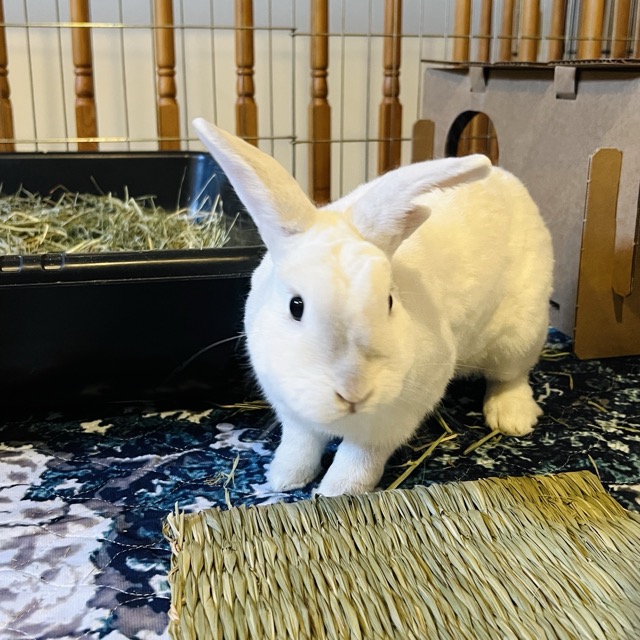
When we bring a small pet into our lives, we commit to something profound: a full circle of care. From their first moments of trust to their final days of comfort, we become their safe place. Whether it’s a rescue rabbit learning to binky for the first time, a chinchilla joyfully rolling in dust, or a pair of bonded guinea pigs wheeking for fresh greens, the daily acts of care deepen our bond. These creatures may be small in size, but their presence is anything but.
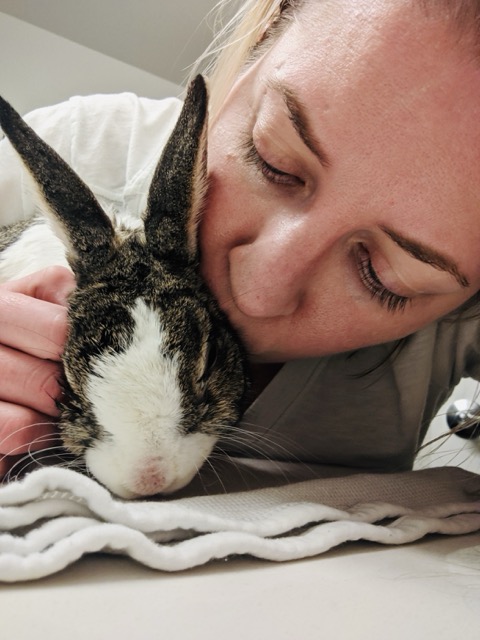
The final chapter of their journey—when we walk alongside them through aging, illness, or sudden loss—is just as sacred as the beginning. Saying goodbye is never easy, but it’s also part of the promise we make: to love and protect them for all their days. In those quiet moments of transition, we’re reminded that our love doesn’t stop—it evolves. It lives on in their memory, in the stories we tell, and – if and when we are ready – in the care we give to the next gentle spirit who is looking for their perfect home.

At Alice in Bunderland®, we understand that loving a small pet means embracing the whole journey—from first moments of trust to the tender goodbyes. If you’re feeling the weight of a loss, know that your grief is seen and valid. Many in our community have walked this same path, and though we may not always speak of it aloud, we carry those small lives with us. Their love lives on in the care we give, the memories we hold, and the quiet ways they continue to shape our hearts.

🌿 You’re Not Alone: Gentle Resources for Grieving Pet Guardians

If you’re looking for support or reflection during a time of loss, these resources have brought comfort to us and others in our community:

We understand how much saying goodbye to a beloved pet can hurt. Whether you’re grieving a recent loss, carrying the quiet weight of one from the past, or have anticipatory grief for pet in hospice, we want you to know: if you ever need a kind word, a place to share, or simply someone to listen—we’re here.
Posted on Leave a comment

Chilla Tips: How to Keep Your Bunnies, Piggies, Chinnies & Other Small Pets Cool and Comfy

At Alice in Bunderland®, we believe that comfort and safety go paw-in-paw. That’s why we’re here with some practical, pet-tested tips to help your furry family members stay cool, hydrated, and happy all summer long. Whether you share your home with a bunny, piggie, chinnie or other small pet, there are safe and simple ways to keep them chill when the weather’s anything but.

If possible, keep their habitat in a well-ventilated, air-conditioned space, and make sure they always have access to fresh, cool water. For pets that tolerate veggies well, small servings of their favorite fresh foods can support hydration. If your pet typically drinks from a bottle, consider also offering a sturdy crock, like a glass or ceramic bowl that’s hard to tip. This gives them a more natural drinking option and encourages hydration.

Side note: Is there anything more adorable than the sound of a bunny drinking water from a bowl? 🎥 Enjoy this adorable video of Stuey in action as he enjoys a cool drink—adorable slurping sounds included!

If you don’t have air conditioning or can’t keep their space between 68–75°F, try relocating them to the coolest part of the room or another part of your home. Floors—especially smooth ones like vinyl or hardwood—often stay a few degrees cooler than raised surfaces and can offer relief. Fans are okay to use, but they should never be pointed directly at your pet—this can cause a temperature shock and may stress them out.

Some tricks for helping rabbits beat the heat include frozen water bottles wrapped in a thin towel that they can lie against or chilled marble tiles or a slightly dampened cloth pad or mat that they can nap on. Rabbits regulate heat through their ears, so you can lightly moisten the back of their ears with a wet rag or a spritz of cool – not ice-cold – water to help them cool down quickly.

Chinchillas, in particular, are extremely heat-sensitive and do best in environments between 60–70°F. For them, air conditioning isn’t just helpful—it’s essential. For all small pets, avoid fleece bedding and plastic hideouts during peak heat, and skip outdoor playtime when the sun is strong or temperatures are high.

If you’re unsure what’s safe or want to refresh your cooling setup, stop by Alice in Bunderland®! We carry adorable veggie bowls, breathable hideaways, and other summer-ready supplies—and we’re always happy to help you make informed, animal-welfare-approved choices to keep your littles safe and comfy.

Posted on Leave a comment

5 Tips and Tricks for Bunny Bonding

I’ve bonded pairs of bunnies 3 times and am now in the middle of bonding my first trio. Every bonding experience has been slightly different, but some advice holds true for all of them.

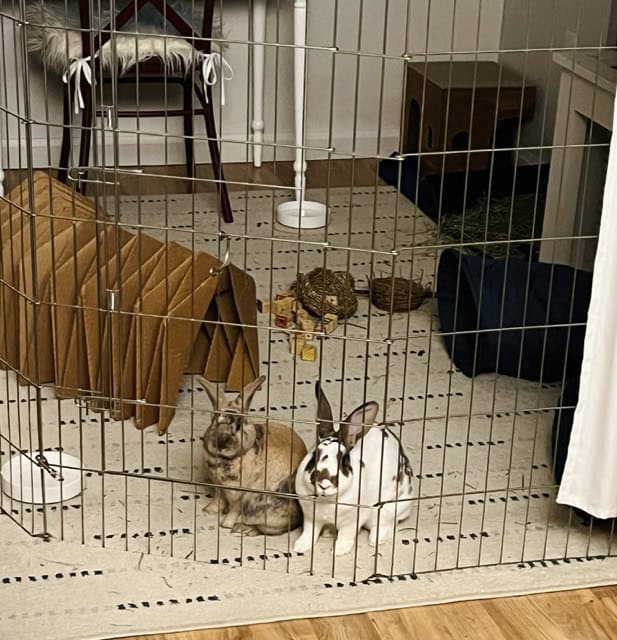
Stu, Lu and Oly

My Top 5 Tips & Tricks:

1. Do a Speed Date First

Allowing bunnies to meet for the first time in a small, neutral space will help you find a more compatible match and help make the bonding process easier for everyone. A successful first date is one where no super aggressive behavior happens, like lunging or immediate bunny tornados. Sometimes bunnies will “fall in love” on a first date, but do not expect it. Bunnies that can co-exist for 5+ minutes in a small pen without any super aggressive behavior can typically be bonded. If you know a local rescue that does speed dates, you could arrange for a few dates with different bunnies to see if your bunny connects with any of them more than the others.

2. Allow the Bunnies to Set the Pace

Some bunnies will be ready to start bonding as soon as you bring the new one home, and some may need time to adjust to the change. If the new bunny is anxious or nervous, we recommend working on the human-animal bond with them first, understanding their likes and dislikes and creating a safe environment for them to open up and do more of their normal bunny things.

3. Cuddles are Good for Everyone

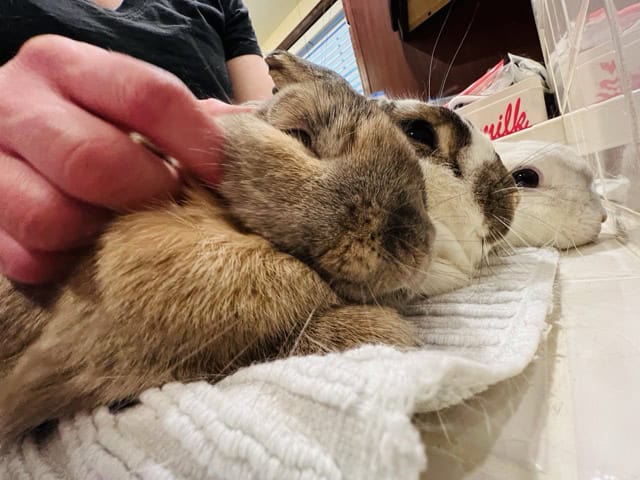
Sometimes it’s called “forced cuddles” and sometimes “bunny magic”, but whatever you want to call it, it’s one of our favorite parts of bonding and a great way to gently allow bunnies to get to know each other. We typically do the cuddles outside of the bonding pen, on a small towel on a table or countertop.

Put both rabbits on the towel, facing the same direction and squish them together as you pet both of them front to back with your hands. Be ready for one to nip, as this occasionally happens when you are starting out but will usually stop once they get better acquainted. If they try to move out of the squish, gently squish them back together.

Do it for as long as it takes for the bunnies to relax, typically 5-10 minutes. This is also our favorite way to calm bunnies that have to be split apart during a bonding session. You can end the date on a good note with cuddles or do the cuddles and once everyone has calmed down, try time in the bonding pen again. Cuddles are also great for the people doing the bonding, much more pleasant than stress bonding techniques like driving them around in a carrier.

4. Start with a Small Neutral Space and Gradually Expand

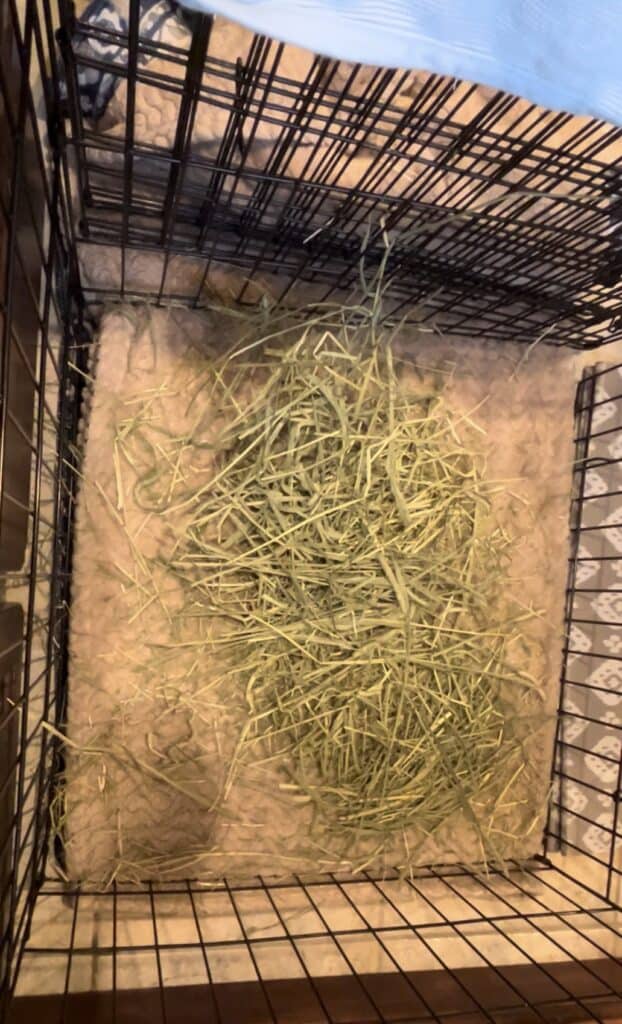
We started using this technique bonding Lucy with Henry after finding a group online that swears by it and have seen really good results. We like to use a Midwest Exercise Pen and start small with a 1 panel x 1 panel setup (2′ x 2′) with pee pad underneath (you can add fleece on top of it if you like) and then gradually expand the pen in the same neutral area.

1x1 Panel Bonding Pen

When we start out, we just add hay, no water because they won’t really much and it will make a mess if things get rowdy. Eating is a bonding activity, so the hay encourages them to eat together and share that experience. Once they don’t have any more bad behavior in the 1×1 pen, you can move up to 1×2, then when they do well there, 2×2, etc.

Some people recommend using oven mitts but we like to use a towel or small blanket to break up a scuffle. We cover one bunny with the blanket and both will temporarily freeze so you can pull out a bunny. Eventually they learn what happens when you raise the blanket and sometimes you don’t even need to use it.

5. Be Patient and Consistent

When you are bonding, it is important to do regular dates (daily or more frequent if possible). We like to have a side by side setup for the bunnies so they can get to know each other outside of bonding time. If you are doing a side by side setup, make sure to use 4′ pens or cover them so they cannot get into each other’s pens unsupervised. Some bunnies may even be able to get over 4′; if you are doing a bonding trial with a bunny from a rescue, their foster will likely be able to advise on how likely the bunny can get over 4′. You should leave a 4-6″ gap between pens or 1/2″ hardware cloth or C & C grids between pens backed up against each other to prevent biting through the pens.

Generally we advise starting slow with shorter dates, no longer than a half hour. Sometimes the bunnies won’t even make it a minute before they scuffle so the initial dates may be super short. It can be scary, but your job is to supervise and keep the bunnies from hurting each other (and hopefully avoiding get bit by one when you break up a scuffle). If you stay consistent – not going more than a day or 2 between dates but daily if possible – and gradually allow them to have longer and longer dates, you will see progress and eventually they will have a ‘breakthrough’ and the negative behavior will become less and less frequent until you don’t see any negative behavior anymore (and maybe even some flops and binkies!).

Once we are confident they are getting along well for 6+ hours in a larger, expended area (at least 4’x6′), we will do a supervised overnight sleepover. If the bunnies make it through the overnight without waking us up to break up a scuffle, we move then into a “starter home”, about the same size as the final stage of bonding but in part of in their permanent living area. We keep an eye on them, usually not leaving them alone for very long but here and there to see how they do. Having someone that can work from home and/or a bunny camera can be helpful with supervising.

Once they make it 1-2 weeks in that space, we expand out and give them their full space to free roam.

Lu & Stu's "Starter Home"

Check out our Instagram for story ​updates on how bonding a 3rd bunny with Lu & Stu is going​!

If you’re new to bonding or could use a little help, we’re here to help. Email us or text us at (503) 332-5617 with your questions or to set up a speed date at our shop if you’re in the Portland, OR area.

Posted on Leave a comment

Rabbit Advocates Spring Spotlight on KATU

This past Friday Stephanie Castillo and I brought some adorable young Rabbit Advocates rescue bunnies onto KATU to talk about all things bunny and highlight the importance of spay and neuter.

Luma, Lira and Milo were did so well and were great bunbassadors for the handful of rescue bunnies out there who are waiting for fosters or are ready to be adopted by their forever families.

Two of these beautiful bunnies still need a foster; apply to foster for Rabbit Advocates (and see their currently adoptable bunnies) by visiting rabbitadvocates.org.

Watch the entire video here (and spread the word!):

Posted on Leave a comment

Throwback: Our Spot on KATU Afternoon Live

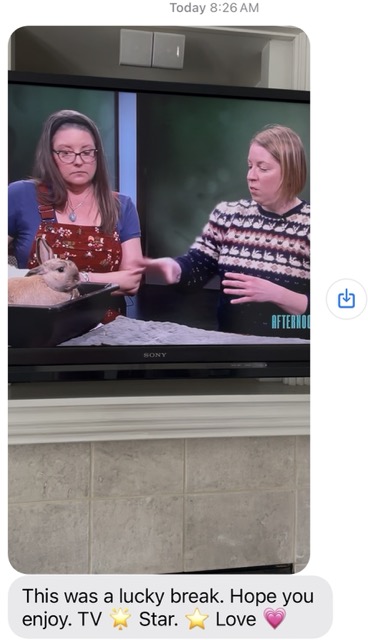
Today my aunt texted a screenshot of me, Lu & Stu and Tiffany from Quick & Dirty Gardens on KATU Afternoon Live. Last week she flipped on the TV and happened to see this playing, what lucky timing and a perfect first post for the Alice in Bunderland Blog!

We filmed this segment over a year ago – on March 15th, 2024 – but the information is super relevant, especially in the weeks counting down to Easter, when so many people are becoming first time bunny guardians.

Some Key Points We Cover:
Many Easter bunnies are bought impulsively and later abandoned or “dumped”
Many rabbits live 10–12 years and they need specialized care (diet, grooming, indoor habitat and exotic vet care)
Consider gifting non-living alternatives (stuffed toys, chocolate bunnies) for Easter
Adopting from a rescue or shelter is recommended if you’re ready for the commitment

We also debunked the myth that rabbits should be fed carrots. Since carrots are high in sugar, it’s best to feed bunnies just the carrot tops, as an occasional treat. For extra fun, you can sit by your rabbit and nibble on the carrot while they nibble on the tops!

Watch the entire video here (and spread the word!):

How do you let people know more about bunny care during Easter season? We’d love to hear your comments!